













In Houston, the average cost for professional garage door repair typically ranges from $150 to $350 for most common issues. Major repairs, such as replacing a broken torsion spring or a malfunctioning opener motor, can range between $200 and $500 depending on the parts and labor required. Because local labor rates in Houston generally fall between $75 and $115 per hour, it is best to request a detailed on-site estimate to account for specific door types and high-cycle components.
A professional safety inspection in Houston includes a multi-point check of the torsion springs, cables, rollers, and the auto-reverse safety mechanism. Technicians also verify that the door is properly balanced, the tracks are aligned, and the wind-load struts are securely attached to meet local storm codes. This comprehensive check is designed to identify small issues before they become expensive repairs or safety hazards for your family.
In Houston, west-facing garages often experience 'sun glare' issues where intense afternoon sunlight interferes with the infrared safety sensors located at the bottom of the door. The sun's rays can overpower the sensor beam, tricking the system into thinking there is an obstruction and causing the door to reverse. This can often be resolved by installing a small sun shield over the sensors or slightly realigning them to avoid direct contact with the harsh Texas sun.
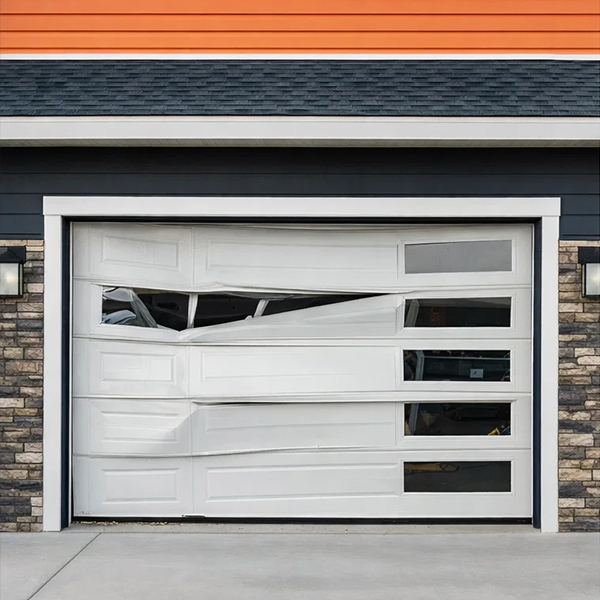
If your garage door is off-track, you should immediately stop using the opener and avoid trying to force the door manually, as it could collapse and cause severe injury. This issue is often caused by broken cables, a hit from a vehicle, or hardware failure triggered by Houston's high humidity and rust. A professional technician will need to safely secure the door, realign the tracks, and inspect the rollers to ensure the system is balanced and safe to operate again.
While minor repairs do not require a permit, a full garage door replacement in the City of Houston typically requires a permit through the Houston Permitting Center to ensure it meets current wind-load and safety codes. This ensures the installation is inspected for compliance with Texas Department of Insurance (TDI) standards, which is often required for maintaining your windstorm insurance coverage. A reputable local contractor will usually handle the permitting process on your behalf to ensure the project is legally compliant.