

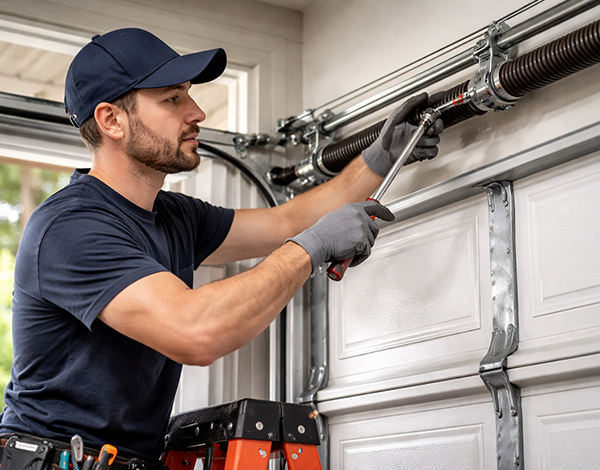






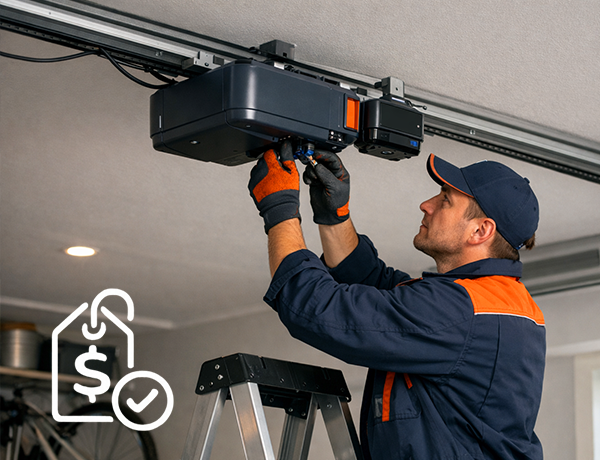






A loud bang or pop usually indicates a broken torsion or extension spring, which is a common occurrence in Houston due to high humidity and frequent use. These springs are under immense tension and support the weight of the door, making it dangerous to attempt a DIY repair. If you hear this sound, you should immediately stop using the door and contact a professional technician to prevent further damage to your opener's motor.
While not every neighborhood in Houston requires them, homes in wind-borne debris zones—particularly those closer to the coast or in certain Harris County districts—must have doors that meet Texas Department of Insurance (TDI) wind-load standards. A hurricane-rated door is reinforced with heavy-duty struts and tracks to withstand winds between 110 and 150 mph, which is essential for protecting your home’s structural integrity during a Gulf storm. Upgrading to a wind-rated door can also provide significant discounts on your homeowner's insurance premiums.
If your garage door reverses when the sun is at a certain angle, it is likely because bright sunlight is 'blinding' the safety sensors' infrared beam. This is a frequent issue in the Houston area during the morning or late afternoon when the sun is low on the horizon. To fix this, you can try cleaning the lenses or installing a small sun shield over the receiving sensor to ensure the beam can travel across the opening without interference.
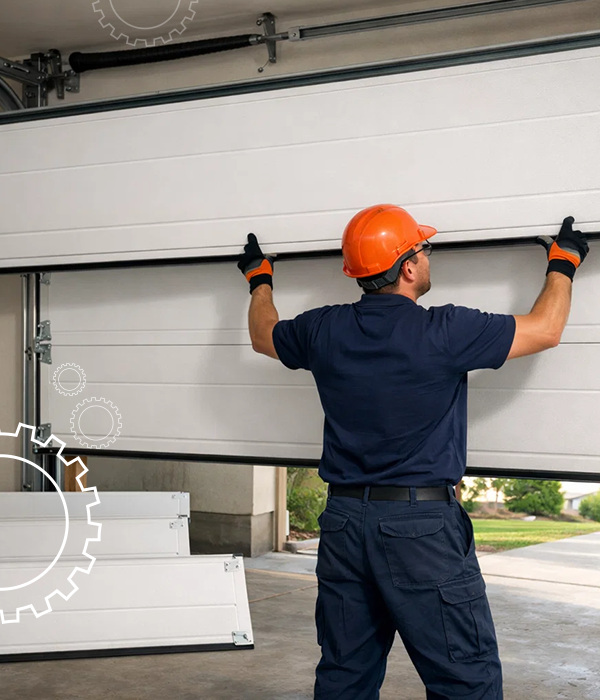
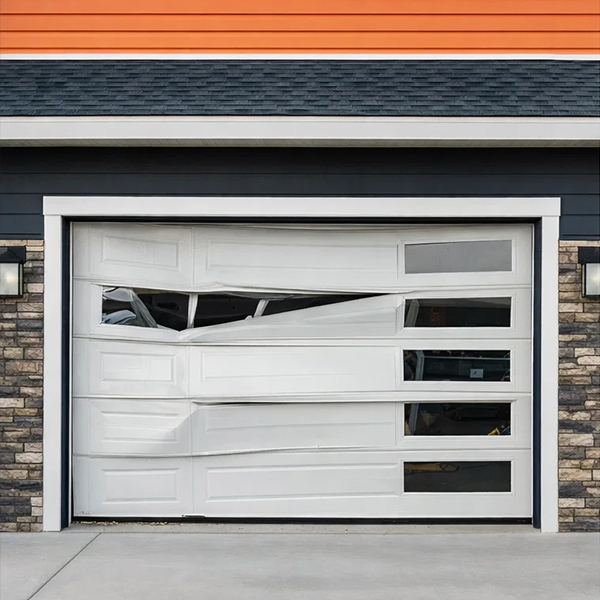
If your garage door is off-track, you should immediately stop using the opener and avoid trying to force the door manually, as it could collapse and cause severe injury. This issue is often caused by broken cables, a hit from a vehicle, or hardware failure triggered by Houston's high humidity and rust. A professional technician will need to safely secure the door, realign the tracks, and inspect the rollers to ensure the system is balanced and safe to operate again.
Houston’s expansive clay soil is known for shifting, which can cause foundation movement that pulls garage door frames out of alignment. When the frame shifts, the tracks can become bowed or unlevel, leading to a door that squeaks, binds, or even falls off its tracks entirely. Local technicians are experienced in adjusting track spacing and recalibrating opener limits to account for these subtle shifts in the home’s structure.